
2020 W Rochelle Rd Irving, TX 75062
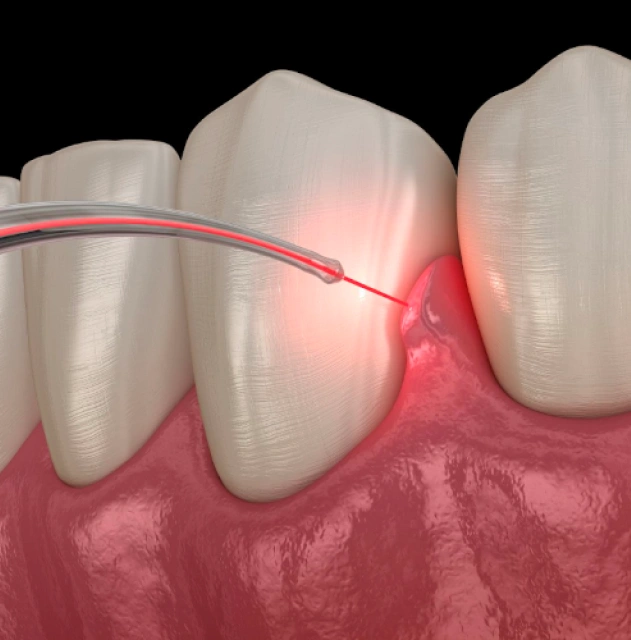
Laser Treatment for Gum Lightening
Gingival depigmentation is a cosmetic dental procedure that involves removing dark pigmentation or melanin from the gums. Dark gums can be caused by a variety of factors, including genetics, smoking, certain medications, and hormonal changes. Many people seek gingival depigmentation at Dental Artistry to achieve a brighter and more uniform smile. There are several methods used to perform this procedure, including laser treatment, electrosurgery, and surgical excision.
It is important to follow post-operative care instructions, including avoiding spicy foods, smoking, and strenuous physical activity for a few days after the procedure. Patients should also maintain good oral hygiene habits, including brushing twice a day and flossing daily, to prevent infection and promote healing. The results of gingival depigmentation can be long-lasting but may depend on the patient's individual circumstances, including oral hygiene habits, lifestyle factors, and genetics.
Facts About Gingival Depigmentation by the American Academy of Dentistry
- According to the American Academy of Dentistry, gingival depigmentation is a safe and effective cosmetic procedure.
- The procedure involves removing excess pigmentation from the gums to improve the appearance of the smile.
- Common techniques include electrosurgery, laser treatment, and surgical excision.
- Good oral hygiene habits can help promote healing after the procedure and prevent infection.
Questions to Ask Your Dentist Before Gingival Depigmentation
- Which technique do you recommend for my specific case and why?
- How long does the procedure typically take and what can I expect during and after the procedure?
- What kind of anesthesia will be used and how long will it last?
- What kind of post-operative care should I follow, and how long should I expect to experience discomfort or swelling?
- What kind of results can I expect and how long will they last?
- Are there any restrictions on activities or foods I should avoid after the procedure?
- How many times has the dentist performed this procedure and what is their success rate?


Gingival Depigmentation Is Sometimes Referred To As "Gum Bleaching." Some People Choose To Have It Done For Cosmetic Purposes To Match The Color Of Their Teeth Or To Create A Specific Aesthetic Look.
Process of Gingival Depigmentation
Before the procedure, our dentists will conduct a thorough examination to determine the patient's candidacy for the procedure and discuss the various options available. The most common techniques used for gingival depigmentation include laser treatment, electrosurgery, and surgical excision. The specific technique used will depend on the individual's needs and preferences.
During the procedure, our dentists at Dental Artistry will numb the gums with a local anesthetic to minimize discomfort. The outer layer of the gum tissue, which contains the melanin pigment, will then be removed using a scalpel, laser, or electrosurgical instrument. The dentist will work carefully to remove only the pigmented tissue while preserving the healthy underlying tissue. The procedure typically takes between 30 minutes to an hour, depending on the size of the treatment area.
Irving Gingival Depigmentation
After the procedure, patients may experience some swelling, discomfort, and bleeding for a few days. The dentist will provide post-operative instructions to help minimize these symptoms, including avoiding spicy foods, smoking, and strenuous physical activity. Patients should also maintain good oral hygiene habits, including brushing twice a day and flossing daily, to prevent infection and promote healing.
The results of gingival depigmentation are typically long-lasting but may depend on individual factors such as genetics, lifestyle, and oral hygiene habits. It is important to have realistic expectations for the procedure and discuss any concerns or questions with the dentist before undergoing the procedure. Regular check-ups with the dentist can help to maintain the results and ensure the continued health of the gums.
Caring for Your Teeth After Laser Whitening
Once you get the procedure, practicing certain restrictions and following a routine is essential, or your teeth can get discolored very easily.
Regular brushing help maintains tooth whiteness after laser whitening. Brushing twice daily with a soft-bristled brush can help remove plaque buildup that could dull the whitened teeth. Additionally, be sure to use an ADA (American Dental Association) approved fluoride toothpaste, which helps prevent cavities and adds extra protection against discoloration.
The dentists at Dental Artistry advise avoiding certain foods and drinks as they may cause staining of your newly whitened teeth. These include coffee, tea, wine, berries, soda, sports drinks, or anything with dark pigments. If you do consume any of these items occasionally, our dentists recommend that you drink plenty of water afterward to help rinse away any residue left behind on your teeth from food or beverages consumed before laser whitening treatment.
Consultation
Do you want to know if gingival depigmentation is right for you? Call (469) 656-4025 and find out from our dentists. Our team at Dental Artistry is friendly and welcoming to all who come through our door. We will give you a detailed explanation of the procedure before finalizing your treatment. We are happy to customize to your needs and make the best choice for your oral health. Schedule an appointment and let us transform your smile.
Frequently Asked Questions
Enhancing the Way You Smile
Looking for dental help? Our dental team is always ready to help you achieve the smile of your dreams.