
2020 W Rochelle Rd Irving, TX 75062
How Bruxism Affects Your Oral Health
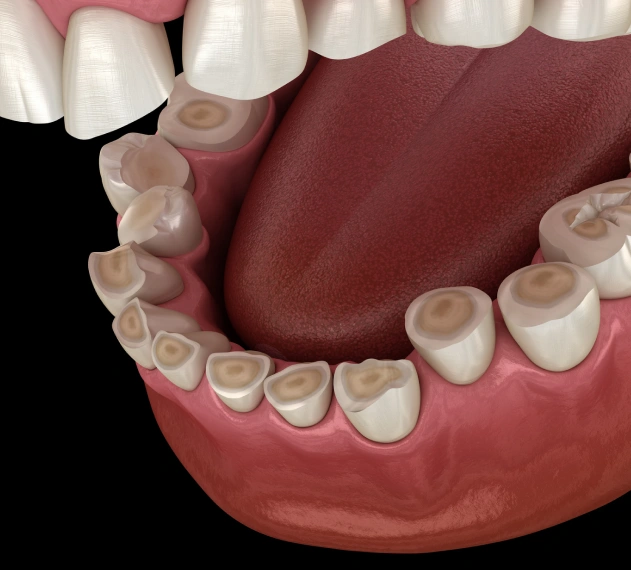
Bruxism, commonly known as teeth grinding, is a condition in which an individual unconsciously clenches or grinds their teeth, usually during sleep. Although it can happen during the day as well. Bruxism can cause various dental problems such as worn teeth, chipped teeth, jaw pain, and headaches.
The causes of bruxism are not fully understood, but it can be associated with stress, anxiety, and certain medications. In severe cases, bruxism can lead to temporomandibular joint (TMJ) disorder, which can cause severe pain and difficulty opening and closing the jaw. Treatment for bruxism may include wearing a mouthguard while sleeping, practicing stress-reducing techniques, and seeking dental or medical intervention.
Facts About Bruxism From American Dental Association
- Bruxism is a common condition that affects up to 40 million Americans.
- Bruxism is characterized by teeth grinding or clenching, often during sleep.
- Bruxism can lead to worn, chipped, or cracked teeth, as well as jaw pain and headaches.
- Treatment for bruxism may include dental appliances, stress management techniques, and medication.
Questions You Should Ask Your Dentist About Bruxism
- What are the symptoms of bruxism, and how can I tell if I have it?
- What are the potential causes of my bruxism, and how can I address them?
- What are the potential consequences of leaving bruxism untreated?
- What are my treatment options for bruxism, and which one would you recommend?
- How can I prevent further damage to my teeth and jaw as a result of bruxism?
- How often should I come in for dental check-ups and cleanings if I have bruxism?
- Are there any lifestyle changes or habits that can help reduce my bruxism symptoms?
- What can I do to manage my stress levels and reduce the likelihood of bruxism?


Did You Know That Bruxism Can Be A Problem Not Only For Humans But Also For Animals? Many Mammals, Including Cats, Dogs, And Even Some Primates, Grind Their Teeth When They Are Stressed Or Anxious, Just Like Humans With Bruxism. Some Researchers Even Suggest That Observing Bruxism In Animals Can Be Used As A Way To Study The Effects Of Stress And Anxiety On Their Behavior.
Treatment for Bruxism
There are several treatment options available for bruxism, depending on the severity and underlying cause of the condition. The most common treatment approach involves the use of a night guard or splint, which is a custom-fitted dental appliance that helps to protect the teeth from grinding and clenching during sleep. This can help to reduce the impact of bruxism and prevent further damage to the teeth, jaw, and surrounding muscles.
In more severe cases, a Irving dentist or specialist may recommend additional treatments such as Botox injections or dental restorations to repair damage to the teeth caused by bruxism. Botox injections can help to relax the muscles in the jaw and prevent excessive grinding and clenching, while dental restorations such as crowns or veneers can help to restore damaged or worn-down teeth.
Bruxism Treatment in Irving
In some cases, bruxism may be caused by an underlying condition such as sleep apnea or temporomandibular joint disorder (TMJ). If this is the case, a dentist or specialist may recommend additional treatments to address these conditions, which can help to reduce the severity of bruxism and prevent further damage.
It's important to work closely with your dentist to develop a comprehensive treatment plan that addresses the underlying causes of bruxism and helps to prevent further damage to the teeth, jaw, and surrounding muscles. With the right treatment approach, many people with bruxism are able to manage their symptoms effectively and prevent further damage to their teeth and oral health.
Seeking relief from Bruxism in Irving, TX? Contact Dental Artistry of Irving for expert care and comfort. Our personalized treatments can alleviate symptoms and restore your dental health. Don't let Bruxism disrupt your life—schedule a consultation today!
Consultation
Do you want to find out more about Bruxism? Call and determine if this treatment is right for you. Our team at Dental Artistry is very friendly and gentle. They will take time to listen to all your queries and consider your opinions. We will make a detailed recommendation about the best choice for your oral health by customizing it to your needs. If you have a discolored smile, we can help you by transforming it into a dazzling one. Schedule an appointment, and let us transform your smile into something as beautiful as you are.
Frequently Asked Questions
Enhancing the Way You Smile
Looking for dental help? Our dental team is always ready to help you achieve the smile of your dreams.