
2020 W Rochelle Rd Irving, TX 75062
How PRF and Socket Preservation Improve Recovery
Platelet-rich fibrin (PRF) and socket preservation are two dental procedures that work together to promote better healing and regeneration after tooth extraction. PRF is a type of blood product that is created by spinning a sample of the patient's blood in a centrifuge to concentrate the platelets and other growth factors. The resulting PRF is a natural and safe substance that can be used to accelerate healing and promote tissue regeneration.
Platelet-rich fibrin (PRF) and socket preservation are two dental procedures that work together to promote better healing and regeneration after tooth extraction. PRF is a type of blood product that is created by spinning a sample of the patient's blood in a centrifuge to concentrate the platelets and other growth factors. The resulting PRF is a natural and safe substance that can be used to accelerate healing and promote tissue regeneration.
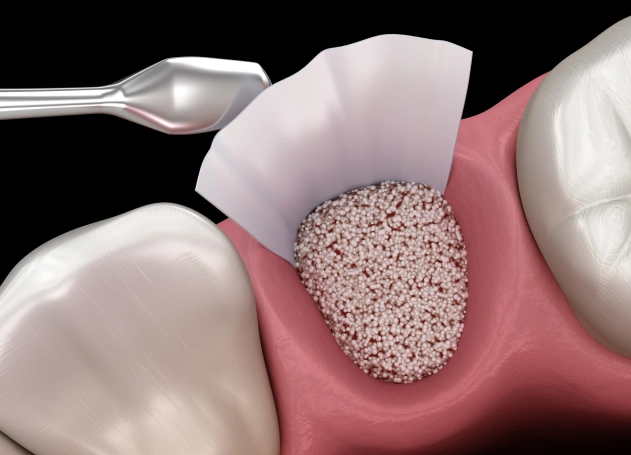
Socket preservation, also known as alveolar ridge preservation, is a technique used to preserve the bone and soft tissue in the socket after tooth extraction. The procedure involves filling the socket with a bone grafting material and covering it with a collagen membrane to prevent soft tissue from growing into the socket. By preserving the socket, the procedure can help to prevent bone loss and maintain the natural shape of the gums and jawbone, making it easier to place a dental implant in the future. When combined with PRF, socket preservation can promote faster healing and better regeneration of bone and soft tissue, leading to improved outcomes for patients.
Facts About PRF and Socket Preservation
- PRF is typically applied directly to the site of a dental procedure, such as a tooth extraction or gum grafting.
- Socket preservation involves filling the socket with bone grafting material and covering it with a collagen membrane.
- PRF can be used in combination with other dental procedures, such as dental implants or sinus lifts, to promote faster healing and better regeneration of tissue.
- Socket preservation can help to prevent bone loss and maintain the natural shape of the gums and jawbone after tooth extraction.
- The use of PRF and socket preservation can lead to improved outcomes for dental procedures and better overall oral health for patients.
Questions to Ask Your Dentist About Prf and Socket Preservation
- How can PRF and socket preservation benefit me during my dental procedure?
- What is the process for collecting and preparing PRF for use in dental procedures?
- How does socket preservation work, and how can it help to maintain the natural shape of my gums and jawbone?
- Can PRF and socket preservation be used in combination with other dental procedures, such as dental implants or gum grafting?
- How long does it take for PRF and socket preservation to promote healing and tissue regeneration?
- Will I need any follow-up appointments or additional treatments after receiving PRF or socket preservation?
- What steps can I take to care for the treated area after receiving PRF or socket preservation?
- Are there any factors, such as pre-existing medical conditions or medications, that could affect my eligibility for PRF or socket preservation?
- What are the expected outcomes of using PRF and socket preservation for my specific dental procedure?


The Bone Grafting Material Used In Socket Preservation Can Come From A Variety Of Sources, Including Cows, Pigs, And Even Human Cadavers. However, Most Dentists Now Use Synthetic Bone Grafts Made From Calcium-Based Materials, Which Are Safer And More Predictable Than Other Types Of Grafting Materials.
Benefits of PRF and Socket Preservation
PRF and socket preservation have several benefits for dental patients. One of the primary advantages of using PRF is that it can accelerate healing and tissue regeneration after a dental procedure. PRF contains high concentrations of platelets and growth factors, which can stimulate the body's natural healing response and promote the growth of new tissue. This can lead to faster recovery times and reduced discomfort for patients.
Similarly, socket preservation can help to maintain the natural shape of the gums and jawbone after tooth extraction. When a tooth is removed, the surrounding bone and soft tissue can begin to deteriorate, leading to changes in the shape of the jawline and the appearance of the gums. Socket preservation helps to prevent this deterioration by filling the socket with bone grafting material and covering it with a collagen membrane. This can help to preserve the bone and soft tissue in the socket, leading to better overall oral health.
Dental Preservation in Irving
PRF and socket preservation can also improve the success rates of other dental procedures. For example, using PRF during a dental implant procedure can promote faster healing and better integration of the implant with the surrounding tissue. Similarly, socket preservation can make it easier to place a dental implant in the future by preserving the bone and soft tissue in the socket.
Overall, the use of PRF and socket preservation can lead to better outcomes for dental procedures and improved overall oral health. These procedures are safe and natural, and they can provide significant benefits for patients who are undergoing dental treatments. Patients who are interested in learning more about these procedures should speak with their dentist to determine if they are a good candidate for PRF or socket preservation.
Consultation
At Dental Artistry, we believe that a beautiful smile starts with healthy teeth. We offer comprehensive consultations to assess your oral health and discuss ways to improve it. Our dentists will work closely with you in order to develop an individualized treatment plan tailored specifically to your unique needs. During the consultation, our dentists can provide advice as well as recommend what will be best for your dental health. Schedule an appointment with us or call us at (469) 656-4025 to get the best possible treatment.
Frequently Asked Questions
Enhancing the Way You Smile
Looking for dental help? Our dental team is always ready to help you achieve the smile of your dreams.